Lic. 455993

NORTH COUNTY’S
#1 TREE SERVICE
ISA Certified Arborists
Serving San Diego Since 1983
Common Tree Diseases
Tree diseases can be caused by fungi, bacteria, or environmental stress, and symptoms don’t always show up right away. Many issues look similar at first, especially when trees begin showing discoloration, leaf drop, or thinning. These changes are often early signs that something isn’t right, but the underlying cause isn’t always obvious.
Because different problems can present in similar ways, identifying the cause is the most important step before deciding how to respond.
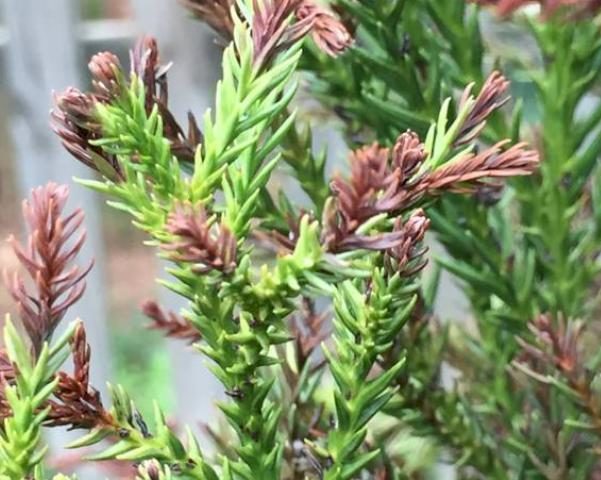
Passalora Needle Blight (Leyland Cypress)
This disease typically shows up during warmer months and affects older needles first. Browning usually starts on inner or lower branches and gradually spreads outward toward the tips.
Over time, the tree can thin out as needles drop, sometimes leaving only green growth at the ends of branches. In more severe cases, large sections of the tree may turn brown and decline year after year.
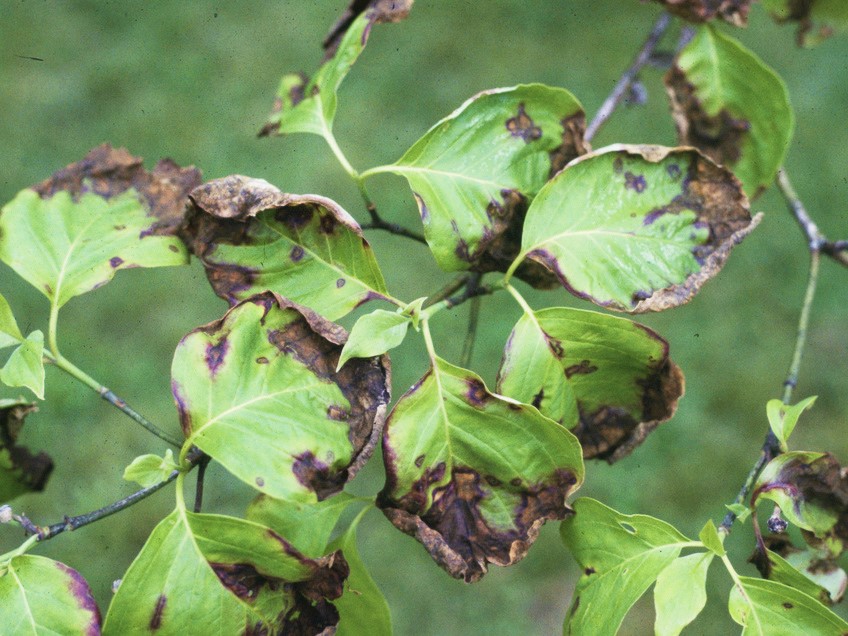
Anthracnose
Anthracnose is a common fungal disease that affects many hardwood trees. It typically shows up as dark, irregular spots or blotches on leaves, especially in the spring.
Infected trees may drop leaves earlier than expected, while others hold onto damaged foliage throughout the season. Symptoms can return year after year, especially during wetter conditions.
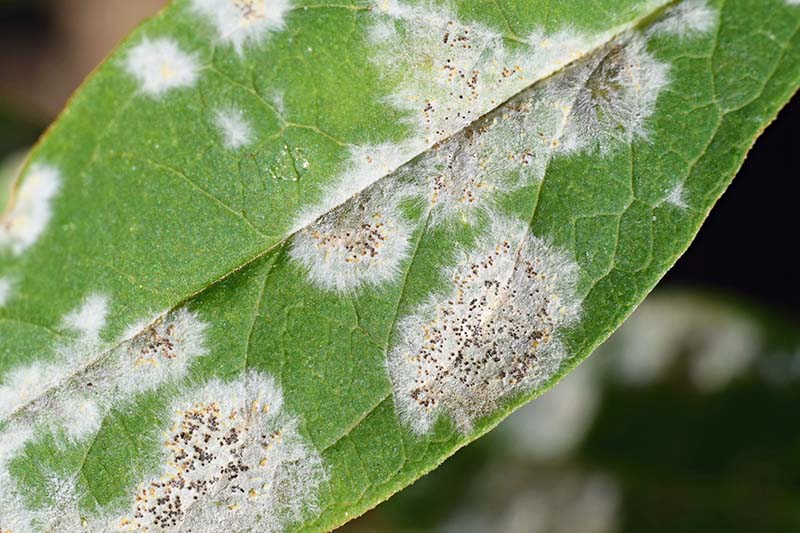
Powdery Mildew
Powdery mildew appears as a white or gray powdery coating on leaves, stems, or buds. It’s most common in mild, humid conditions and can show up later in the growing season.
Affected leaves may become distorted or stunted, but the issue is often cosmetic unless it spreads widely.
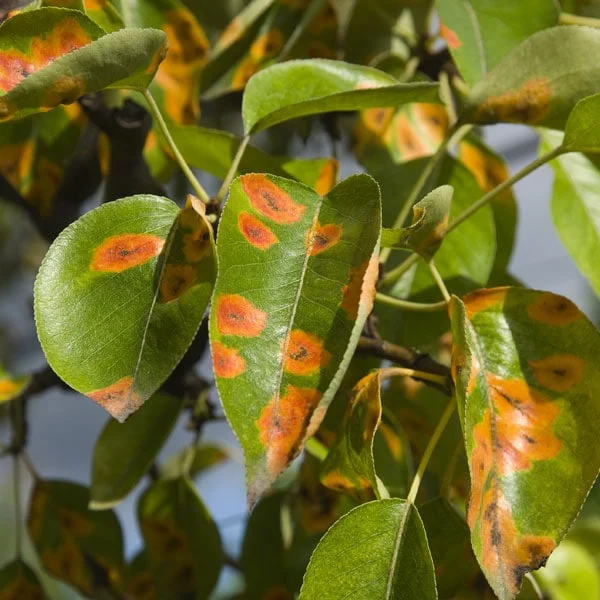
Fusarium Rust
Fusarium rust primarily affects certain pine species and can cause unusual growths or swelling on branches. Bright orange spores may appear during cooler months.
While it requires specific host trees to spread, it can still impact overall tree health over time if conditions allow it to persist.
Fire Blight
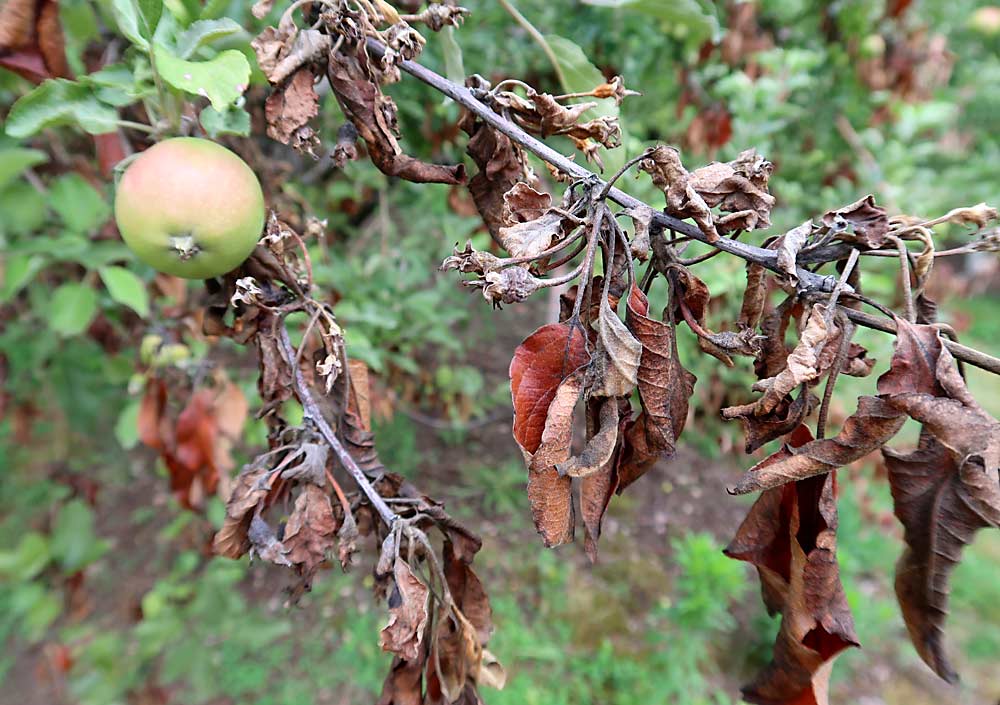
Fire blight is a bacterial disease that affects certain ornamental and fruit trees. It typically appears in spring, starting with flowers and new growth that suddenly darken, wilt, and turn black.
Infected tips often bend downward into a hooked shape, and branches can look scorched or burned. In more severe cases, the disease can spread into larger limbs and cause ongoing decline.
Root Rot
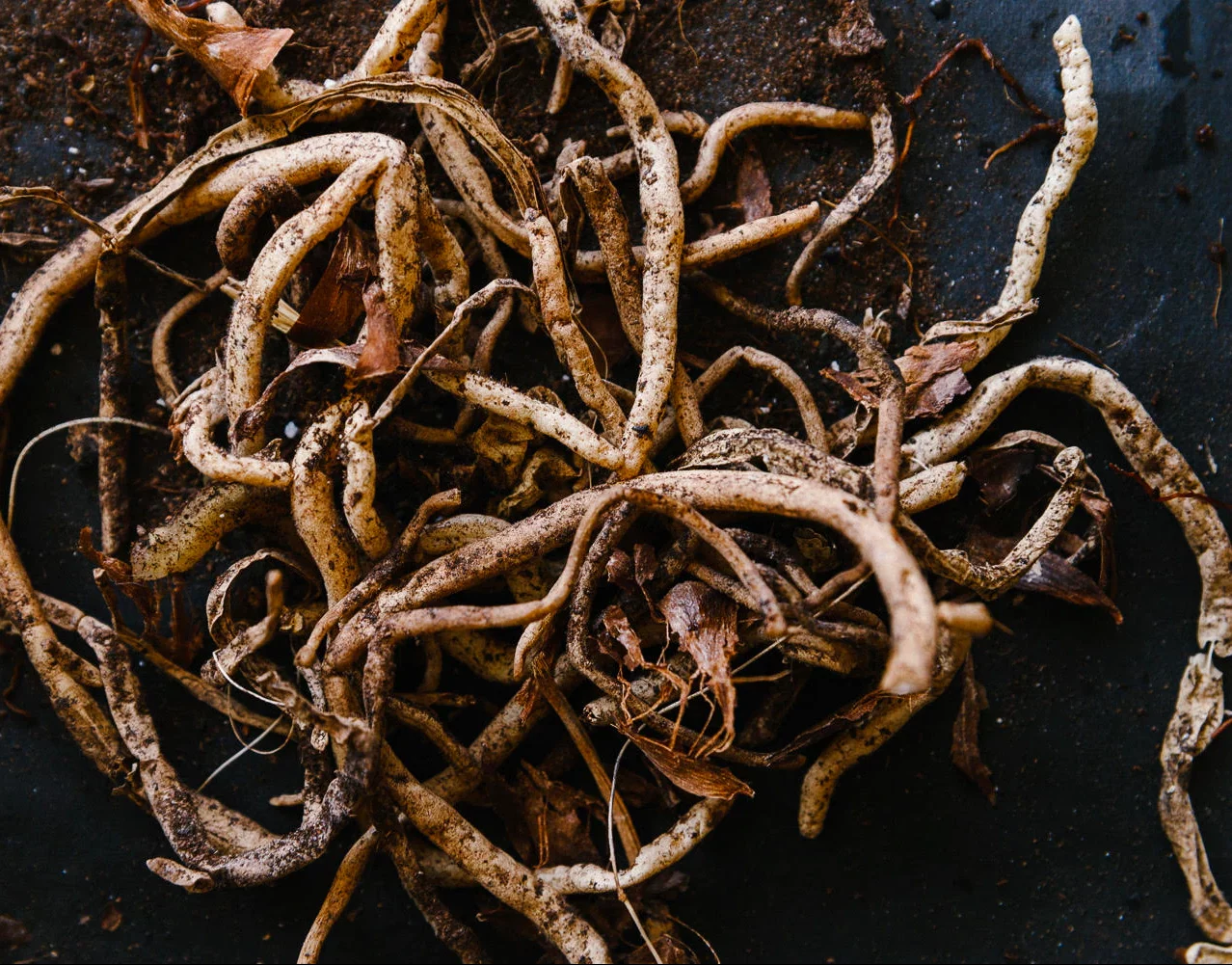
Root rot is caused by fungi that attack a tree’s root system, often in overly wet or poorly draining soil. Because the damage happens below ground, symptoms above ground can be easy to miss at first.
Trees may show thinning, discoloration, or gradual decline, and can appear stressed even with regular watering. Over time, root damage can weaken the tree and lead to dieback or failure.
Mistletoe
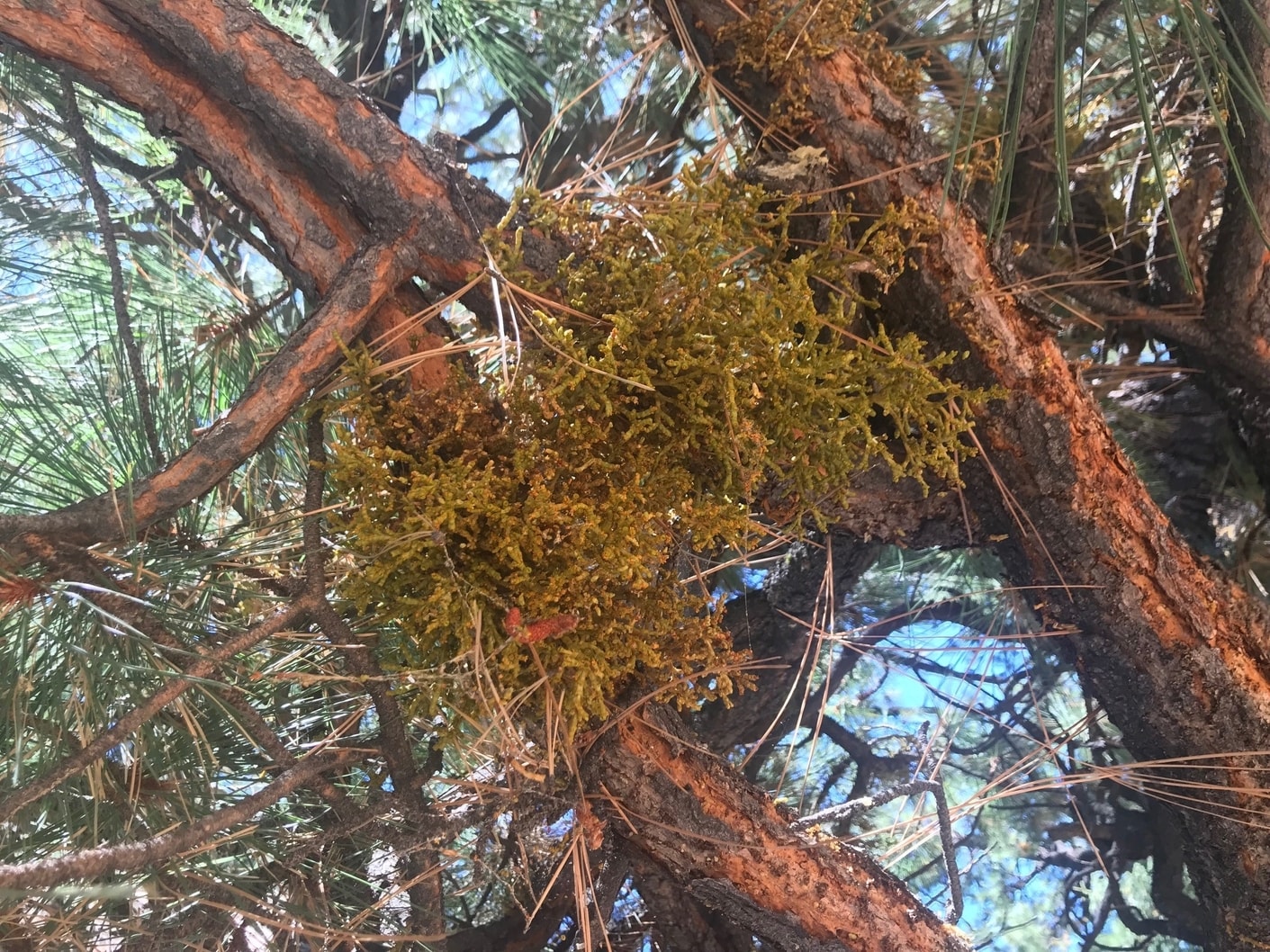
Mistletoe is a parasitic plant that grows on tree branches and pulls water and nutrients from the host tree. It appears as dense, rounded clusters of green growth within the canopy.
Light infestations are usually more of a visual issue, but heavier growth can weaken branches over time and cause decline. Removing affected limbs is the most effective way to manage it.